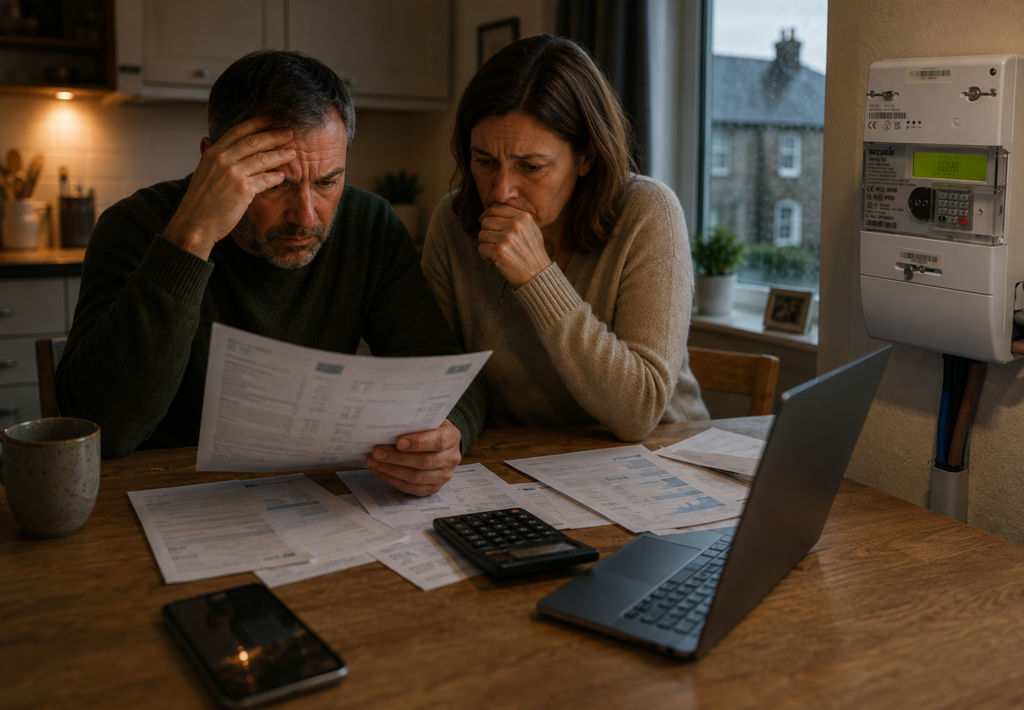
Electric Ireland increased residential electricity prices by 8 per cent and gas prices by 7.7 per cent from 1 July 2026. For an average household on a standard tariff, the electricity increase alone was estimated at approximately €11.52 per month. The change illustrates an uncomfortable reality of daily life in Ireland: even when headline inflation moderates, housing, heating, transport and essential services can keep household budgets under sustained pressure.
The cost of living is rarely experienced as a single dramatic event. It arrives through small revisions.
A higher electricity direct debit. A grocery bill that seems slightly heavier. Another increase in insurance. A tank of heating oil that costs more than expected.
From 1 July 2026, Electric Ireland raised residential electricity prices by 8 per cent and gas prices by 7.7 per cent. The company attributed the decision to renewed pressure in wholesale energy markets. Based on the estimated annual bill used by the energy regulator, the electricity change represents approximately €2.66 per week or €11.52 per month for an average standard-tariff household.
In isolation, €11.52 may appear manageable. For households already dealing with rent or mortgage payments, food, transport, property maintenance and insurance, it becomes part of a much larger cumulative burden.
The impact also varies substantially by property type. A modern apartment, a recently constructed suburban house and an older rural home do not consume energy in the same way. Many traditional Irish properties have solid walls, older heating systems or limited insulation. Their owners can face considerably higher costs during a cold or prolonged winter.
This is one reason the advertised price of an Irish property does not reveal the full cost of living in it. Prospective residents should examine the Building Energy Rating, heating system, windows, insulation, electricity usage and availability of alternative energy sources before committing to a purchase or tenancy.
Ireland has retained a reduced 9 per cent VAT rate on electricity and gas bills until the end of 2030. That limits part of the tax burden, but it cannot completely protect consumers from movements in wholesale energy prices.
There are practical steps households can take. Reviewing tariffs, checking whether a fixed or variable plan is appropriate, monitoring actual consumption and improving attic or draught insulation can produce meaningful savings. Larger upgrades such as heat pumps or solar panels require greater investment and may not suit every building.
New ideas are also entering the debate. Some Irish politicians have called for simplified rules allowing small plug-in solar systems similar to those widely used in parts of continental Europe. Such systems would not replace a complete rooftop installation, but they could make limited household generation accessible to renters and lower-income households if appropriate safety standards were introduced.
Living in Ireland continues to offer qualities that cannot be reduced to a household spreadsheet: space, landscape, community and relative security. Yet anyone considering a move must budget realistically.
The true cost of an Irish home is not just its sale price or monthly rent. It is the price of heating it in January, insuring it, reaching work from it and maintaining it through years of Atlantic weather.
Understanding those costs in advance is not pessimism. It is one of the most important parts of building a sustainable life in Ireland.